Understanding What Natural Supplements Are Made Of

A calm look at sources and ingredients for everyday use

Why Sources Matter

Understanding where supplements come from is the foundation of making informed choices. Natural supplements can originate from various sources—each with its own characteristics, benefits, and ways of being processed. By learning about these sources, you gain clarity about what you're considering and why some people might choose one option over another.

This knowledge helps you approach supplements with a sense of calm confidence rather than confusion or anxiety. It's not about finding the "perfect" supplement, but rather understanding your options and what aligns with your lifestyle and values.

Main Source Groups

Plant-Based Sources

Derived from herbs, fruits, vegetables, and plant materials. These are carefully selected for their traditional use and nutritional composition.

Mineral Sources

Sourced from naturally occurring minerals like magnesium, calcium, and zinc found in soil and water. Often extracted and purified for supplements.

Natural Extracts & Concentrates

Concentrated forms of nutrients extracted from whole sources through various methods, making them easier to consume in precise amounts.

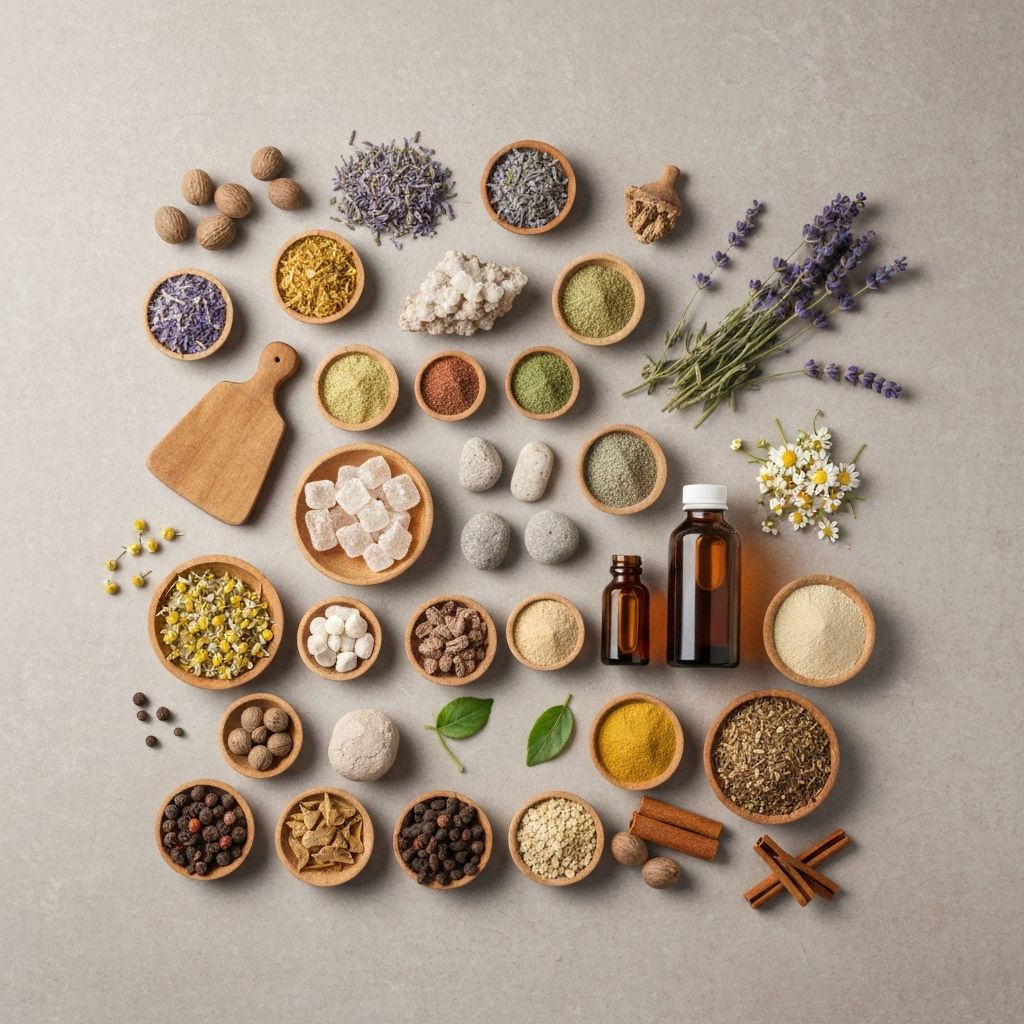
Collection of natural supplement ingredients including herbs, minerals, and plant materials

How These Sources Usually Appear in Supplements

Once sourced, natural ingredients are processed into forms that are practical for daily use. Understanding how sources transform into the supplements you see is helpful for recognizing quality and consistency.

Raw Plant Material

Dried herbs and plant parts that maintain their whole-food profile. Often used in teas, tinctures, or loose forms.

Extracts & Powders

Concentrated forms created by removing water or using extraction methods. More potent by weight and easier to measure.

Standardized Forms

Ingredients processed to contain consistent levels of active compounds, ensuring reliability from batch to batch.

Common Formats People Are Used To

Various supplement formats displayed: powder in a bowl, capsules in a container, and liquid in a glass

Powders

Versatile and often cost-effective. Can be mixed with water, smoothies, or food for flexible dosing.

Capsules

Convenient, pre-measured, and easy to take. The capsule shell can be plant-based or gelatin, depending on the product.

Liquids & Tinctures

Often absorbed quickly and offer flexibility in dosing. May include preservation methods to maintain stability.

How to Read Composition Without Overthinking

Start with the Basics

Every supplement has a label listing ingredients and their amounts. You don't need to understand every detail—focus on what you recognize and what matters to your personal approach to wellness.

Look for Clarity

Reputable brands list all ingredients clearly and honestly. The ingredient list tells you exactly what's in the product. Common forms include "extract" (concentrated), "standardized to" (regulated amount), or simple plant names.

Ask Simple Questions

Do I recognize the ingredients? Are they from sources that appeal to me? Is the amount reasonable for my needs? These are more helpful than trying to memorize every compound.

About Us

Baoguide is an educational initiative designed to help people approach natural supplements with calm clarity and realistic expectations. Our mission is to provide honest, straightforward information about where supplements come from, what they're made of, and how to think about them in the context of everyday wellness.

We believe that understanding supplements doesn't require medical training—just clear information and a balanced perspective. This guide exists to support anyone who wants to learn more about supplements without the hype, without medical claims, and without unnecessary complexity.

We're here to explain, educate, and help you make choices that feel right for you and your lifestyle—nothing more, nothing less.

Three Calm Notes

More is not automatically better

Taking larger amounts doesn't necessarily increase benefits. Consistency and appropriate dosing are more important than excessive intake.

Supplements do not replace meals

A balanced diet remains the foundation of nutrition. Supplements are meant to complement, not substitute for, whole foods and healthy eating habits.

Choice is individual

What works for someone else may not work for you. Your health decisions should align with your lifestyle, values, and personal approach to wellness.

Questions to Reflect on Your Own Choices

What are my reasons for considering supplements?

Understanding your motivation helps you choose options that actually address your goals, whether that's supporting general wellness or addressing a specific lifestyle gap.

What sources appeal to me most?

Do plant-based options feel more aligned with you? Do you prefer specific types of extracts? Your preference matters in making a choice you'll feel good about.

What format fits my lifestyle?

Will you actually remember to take a capsule daily? Do powders feel appealing? Choosing a format you genuinely enjoy using increases the likelihood of consistency.

Do I recognize and trust the ingredients listed?

You should feel confident about what's on the label. If you don't recognize something, researching it is a sign of informed decision-making, not paranoia.

How will I know if it's working for me?

Defining what "working" means to you—energy levels, general wellness, consistency—helps you evaluate your choice realistically over time.

Get in Touch

Have questions or want to share feedback? We'd love to hear from you. This form is used for informational outreach only.

Important Notice: This form is used only for informational newsletter communication. We do not sell products directly. This is an educational resource.

Thank you for reaching out! We've received your message and will get back to you soon.